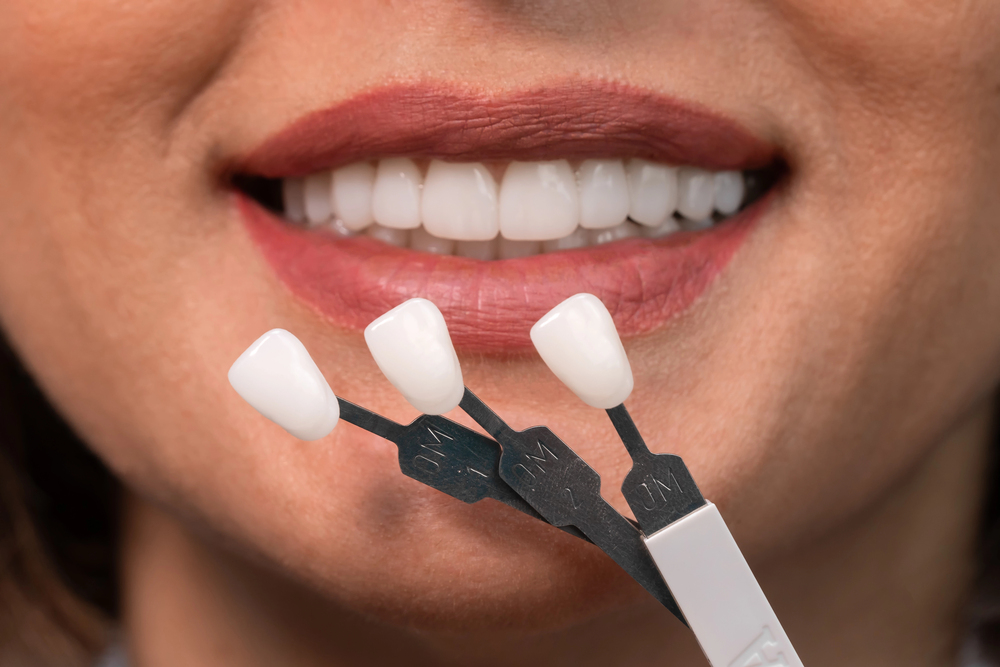

“I had broken a tooth- a front tooth- and they managed to get me in the Same day. I was. Very pleased with the outcome.”
Gaylen B. · Google Review
What Counts as a Dental Emergency?
A dental emergency is any problem involving your teeth, gums, mouth, or jaw that needs prompt attention because of pain, infection risk, injury, or the possibility of losing a tooth. Some dental problems require immediate care, while others may be urgent but not life-threatening.
- Severe or persistent toothache
- Swelling in the gums, face, or jaw
- Knocked-out adult tooth
- Cracked, chipped, or broken tooth
- Lost crown, bridge, or filling
- Dental abscess or signs of infection
- Bleeding that does not stop
- Pain when biting or chewing
- Dental injury from sports, falls, or accidents
If you have difficulty breathing, difficulty swallowing, severe facial swelling, uncontrolled bleeding, or symptoms that may be life-threatening, seek emergency medical care right away. For urgent dental problems such as tooth pain, broken teeth, lost restorations, or possible infection, call Fletcher Heights Dental Care at (623) 825-7833.
Common Emergency Dental Problems We Treat
Emergency dental treatment depends on the cause of the problem. Upon arrival at Fletcher Heights Dental Care, P.C., you will receive a focused evaluation so Dr. Michael Prost can identify the source of your symptoms and explain your treatment options.
Severe Tooth Pain
Acute tooth pain may be caused by decay, infection, trauma, a cracked tooth, or inflammation inside the tooth. Identifying the underlying cause is critical because timely treatment can help prevent more serious complications. In some cases, patients may need root canal treatment to relieve dental pain and infection.
Broken or Chipped Teeth
A broken or chipped tooth should be evaluated quickly, especially if there is pain, sensitivity, sharp edges, or visible inner tooth structure. Treatment may involve smoothing the tooth, bonding, a filling, a crown, or another restorative option depending on the severity of the damage.
Knocked-Out Tooth
A knocked-out adult tooth is time-sensitive. Hold the tooth by the crown, avoid touching the root, and keep it moist in milk or saliva if possible. Call our office immediately for instructions and the soonest possible care.
Lost Crowns, Bridges, or Fillings
A lost crown, bridge, or filling can leave the tooth vulnerable to sensitivity, decay, or further damage. Emergency treatment may include recementing the restoration, placing a temporary repair, or planning a longer-term solution such as custom dental crowns or dental bridges.
Dental Abscess, Infection, or Swelling
Swelling, pus, fever, a bad taste, or a bump on the gums may be signs of infection. Dental infections should not be ignored. Prompt care can help reduce pain, address the source of the infection, and lower the risk of complications.
What to Do Before Your Emergency Dental Visit
Before your appointment, call the office and explain what happened, when symptoms started, and whether you have swelling, bleeding, fever, trauma, or severe pain. This helps our team understand the urgency and prepare for your visit.
- For tooth pain: Rinse gently with warm water and avoid chewing on that side.
- For swelling: Use a cold compress on the outside of the face and call promptly.
- For a knocked-out tooth: Keep the tooth moist and call immediately.
- For a broken tooth: Save any pieces if possible and avoid hard foods.
- For a lost crown: Bring the crown with you if you still have it.
Do not place aspirin directly on the gums or tooth, and do not ignore worsening pain or swelling. A dentist should evaluate the underlying cause as soon as possible.
What Happens During an Emergency Dental Appointment?
Your emergency dental visit begins with a focused assessment of your symptoms and oral health. Dr. Michael Prost will examine the area, ask about your pain or injury, and may use digital X-rays for accurate emergency dental diagnosis to evaluate the tooth, root, bone, and surrounding structures.
Once the issue has been diagnosed, Dr. Prost will discuss your treatment options. Depending on the situation, treatment may include a filling, crown, root canal therapy, tooth extraction, medication guidance, temporary stabilization, or a follow-up restorative plan.
After the initial treatment, follow-up care may be recommended to support healing and protect your long-term oral health. Patients receive guidance on managing discomfort, preventing infection, and maintaining oral hygiene during recovery.
Emergency Tooth Extractions When a Tooth Cannot Be Saved
Whenever possible, our goal is to preserve your natural tooth. However, if a tooth is severely damaged, infected, loose, or no longer restorable, an extraction may be the safest option. Dr. Michael Prost will explain whether the tooth can be saved or whether tooth extraction in Peoria is recommended.
If a tooth must be removed, our team can also discuss replacement options and next steps to protect your bite, chewing ability, and long-term oral health.
Can Sedation Help During Emergency Dental Treatment?
Dental emergencies can be stressful, especially for patients who already feel anxious about dental care. In some cases, comfort options may be discussed to help make urgent treatment more manageable.
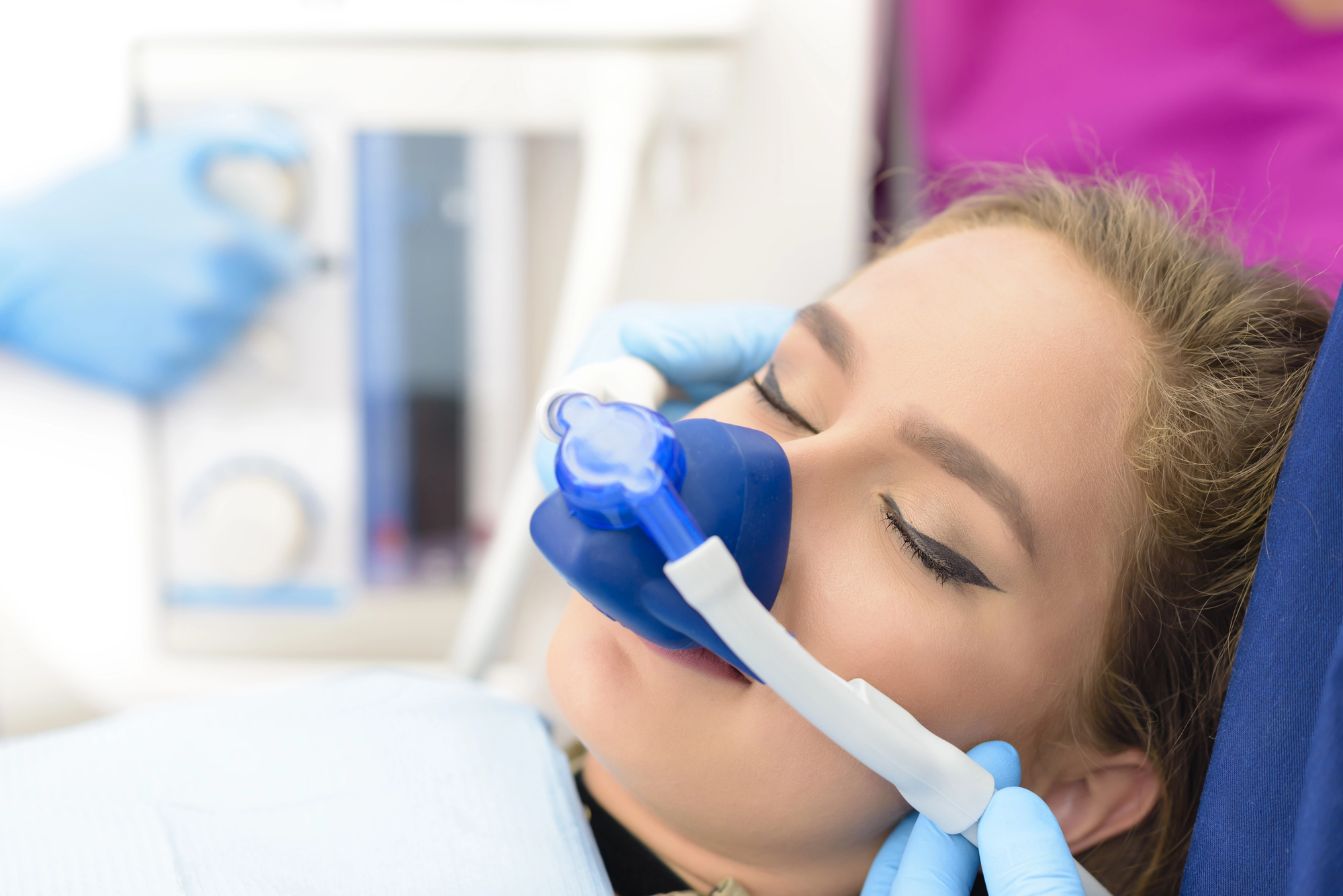
If anxiety is a major concern, ask our team about sedation dentistry in Peoria during your emergency consultation. The right option depends on your health history, procedure, and urgency of care.
Regular preventive dental exams and cleanings can help identify problems before they become urgent, but new pain, injury or swelling still needs prompt attention.
Restorative solutions such as custom dental crowns and dental bridges may also be recommended after emergency treatment to restore damaged teeth and protect long-term function.
Why Choose Fletcher Heights Dental Care for Emergency Dentistry?
Fletcher Heights Dental Care, P.C. provides patient-focused emergency dentistry for Peoria and nearby communities. Led by Dr. Michael Prost, our practice prioritizes prompt communication, careful diagnosis, and clear treatment recommendations during stressful dental situations.
Our office uses modern diagnostic tools, including advanced dental imaging technology, to help evaluate urgent dental problems efficiently. We also focus on building personal relationships with patients, so you feel comfortable asking questions and understanding your options.
Our Peoria dental office is located at 8272 West Lake Pleasant Parkway, Ste 204, Peoria, AZ 85382, serving Peoria and nearby communities.
Payment and Financing for Urgent Dental Care
Emergency dental treatment can be unexpected. Our team can discuss estimated costs, insurance considerations and available payment options before treatment begins. For larger treatment plans, approved dental financing may help make care more manageable.
Emergency Dentistry FAQs
Can I get a same-day emergency dental appointment in Peoria?
Call the office as early as possible. Same-day availability depends on the schedule and the type of emergency, but the team can give guidance and help determine the next available appointment.
What should I do if I break a tooth?
Save any pieces if possible, avoid chewing on that side, rinse gently with warm water, and call the office. A broken tooth may need bonding, a filling, a crown or another treatment depending on the damage.
Is tooth pain always a dental emergency?
Not every toothache is an emergency, but severe, worsening or persistent pain should be evaluated. Pain with swelling, fever, bad taste or trouble biting may indicate an infection or abscess and should be treated urgently.
Can I use financing for emergency dental treatment?
Financing may be available depending on the treatment plan and provider approval. The office can review estimated costs and payment options before treatment begins.
Should I go to the ER or an emergency dentist?
For dental pain or broken teeth, a dentist is usually the right place to start. Go to the ER or call emergency services for serious trauma, uncontrolled bleeding, swelling that affects breathing or swallowing, or other medical emergencies.
What should I do if a permanent tooth is knocked out?
Arrange immediate dental care after an injury knocks a permanent tooth out. Lift it using the crown (its chewing surface), keeping fingers away from the root. Avoid scrubbing. To limit drying before the dentist can see you, transport it immersed in milk.
Do not attempt to replant a child’s baby tooth. Unsure whether the tooth is permanent? Request urgent professional guidance rather than guessing.
What if a crown or filling breaks or comes loose?
Contact a dentist for an assessment and describe what happened, even if the tooth is not painful. Keep any crown or broken piece that has come out and bring it to the appointment. Rather than attempting a repair yourself, ask the dentist how to protect the area until it can be examined.
When does tooth pain or swelling need urgent help?
Persistent tooth pain or swelling should be assessed by a dentist because symptoms alone cannot establish the cause. Seek urgent dental care for spreading swelling or fever rather than waiting for a routine appointment. Difficulty breathing or swallowing requires immediate emergency medical care.
Call an Emergency Dentist in Peoria, AZ
For preventive, restorative and cosmetic care beyond urgent problems, learn more about Fletcher Heights Dental Care, your dentist in Peoria, AZ.
If you are dealing with tooth pain, swelling, a broken tooth, a knocked-out tooth, or another urgent dental concern, Fletcher Heights Dental Care, P.C. is here to help. Call (623) 825-7833 for emergency dentistry in Peoria, AZ, or visit our emergency dental appointment contact page. You can also find our office on Google Maps.